
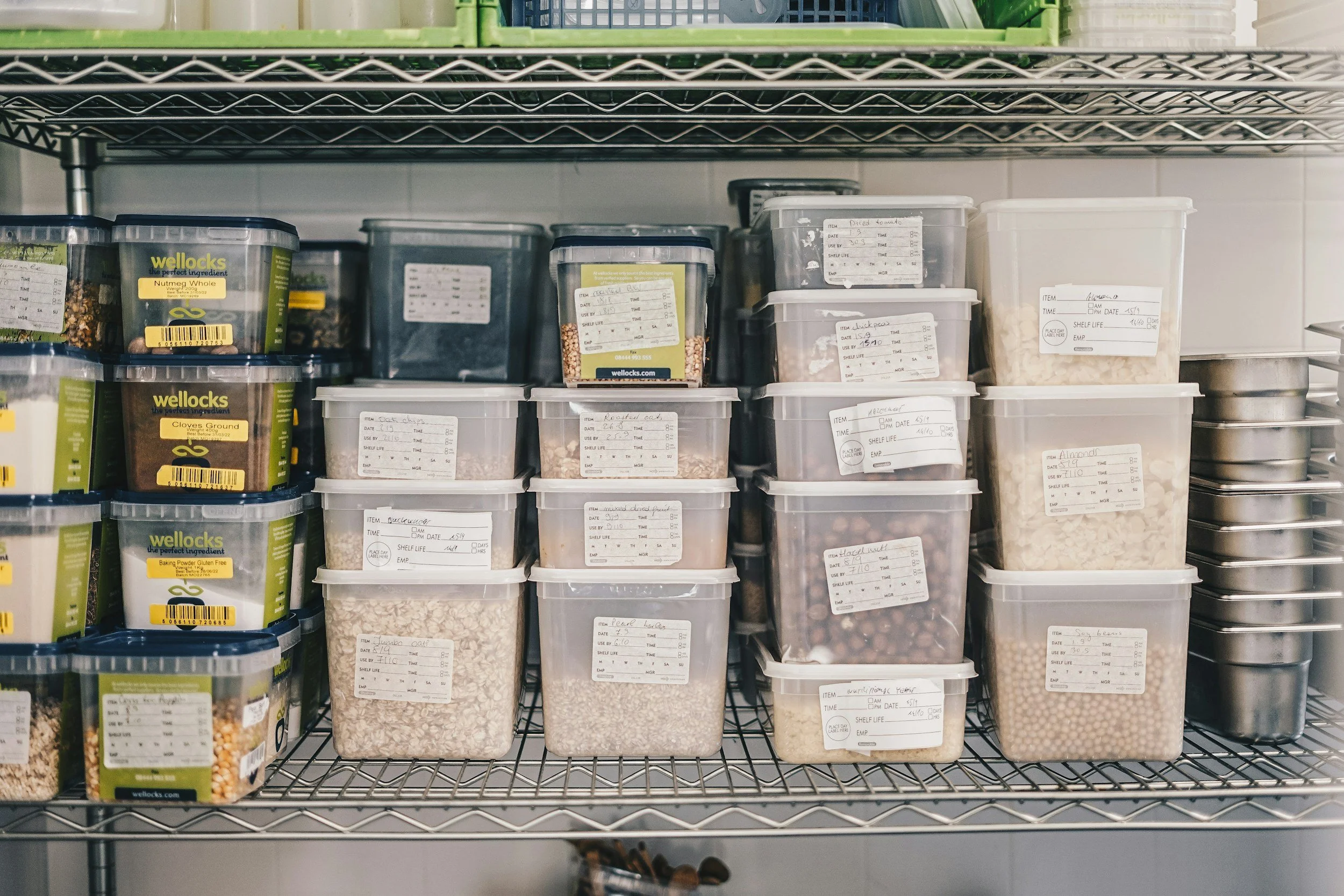
Stop Storing Your Cash on the Shelves
Let me ask you a question: If I walked into your restaurant right now and offered you a stack of one-hundred-dollar bills, what would you do with them?
Would you put them in the bank? Or would you stack them on a dusty shelf in the back of your dry storage room and leave them there for three months?
It sounds ridiculous, but that is exactly what most restaurant owners do every time they place an order.
One of the hardest lessons to learn in this industry is that Inventory = Cash. When you see a fifty-pound bag of flour, cases of olive oil, or stacks of napkins sitting in storage, you need to retrain your brain to see stacks of cash that are tied up and unable to work for you.
The Bulk Buying Trap
We have all fallen for it. The sales rep from the big food distributor calls you up.
"Hey Dave," they say. "If you buy 10 cases of tomato sauce today, I can knock $2.00 off each case."
You do the quick math. "I save $20! That’s smart business."
So you buy 10 cases. But you only use one case a week. That means for the next two and a half months, you have hundreds of dollars sitting on a shelf gathering dust. That is money you can’t use to pay payroll. That is money you can’t use to fix the broken A/C unit.
You trapped your liquidity in a tin can to save twenty bucks. That isn't smart business; that’s the Inventory Trap.
Food Should Be a River, Not a Lake
A healthy kitchen should have high Inventory Turnover. This means food comes in the back door, gets cooked, and leaves out the front door (in a customer’s stomach) as fast as possible.
You want your inventory to flow like a river. Most struggling restaurants treat their inventory like a stagnant lake.
The "Just-in-Time" Philosophy The best operators practice "Just-in-Time" ordering. We want the fish to arrive the morning we serve it. We want the produce to run out right before the new truck arrives.
Does this feel scary? Yes. It requires you to know your numbers. But it keeps your ingredients fresher—which makes your food taste better—and it keeps your cash in the bank until the very last second.
1. Calculate Your Turnover
Walk into your walk-in cooler. Look at that case of lemons. When did it get there? If it has been there for more than 4 days, you are over-ordering. If you are sitting on dry goods for months "just in case," you are hurting your cash flow.
2. Determine the "Skeleton" Inventory
You need to find your "Par Level"—the absolute minimum amount of stock you need to survive a busy Friday night. Most owners operate with a "Safety Blanket" of 20-30% extra food because they are terrified of running out (86'ing) an item.
While running out isn't ideal, throwing away spoiled food or sitting on dead cash is worse. Get comfortable getting close to the line.
3. FIFO or Die
This is Day 1 culinary school stuff, but it saves bank accounts. F.I.F.O. stands for First-In, First-Out.
When the new milk arrives, the old milk moves to the front. When the new tomatoes arrive, they go under the old ones. It requires discipline. If your staff is lazy and just throws the new box in front of the old one, the old one rots. You end up paying for that product twice.
The Bottom Line
A packed pantry might look like "abundance," but to a business consultant, it looks like inefficiency.
Lean inventories force creativity. They ensure freshness. And most importantly, they free up the capital you need to actually grow your business.
Is your dry storage costing you a fortune? If you are tired of working hard but staying cash-poor, it’s time to look at your purchasing strategy. At Dave’s Cuisines, we help you streamline your ordering so you buy only what you need, when you need it.
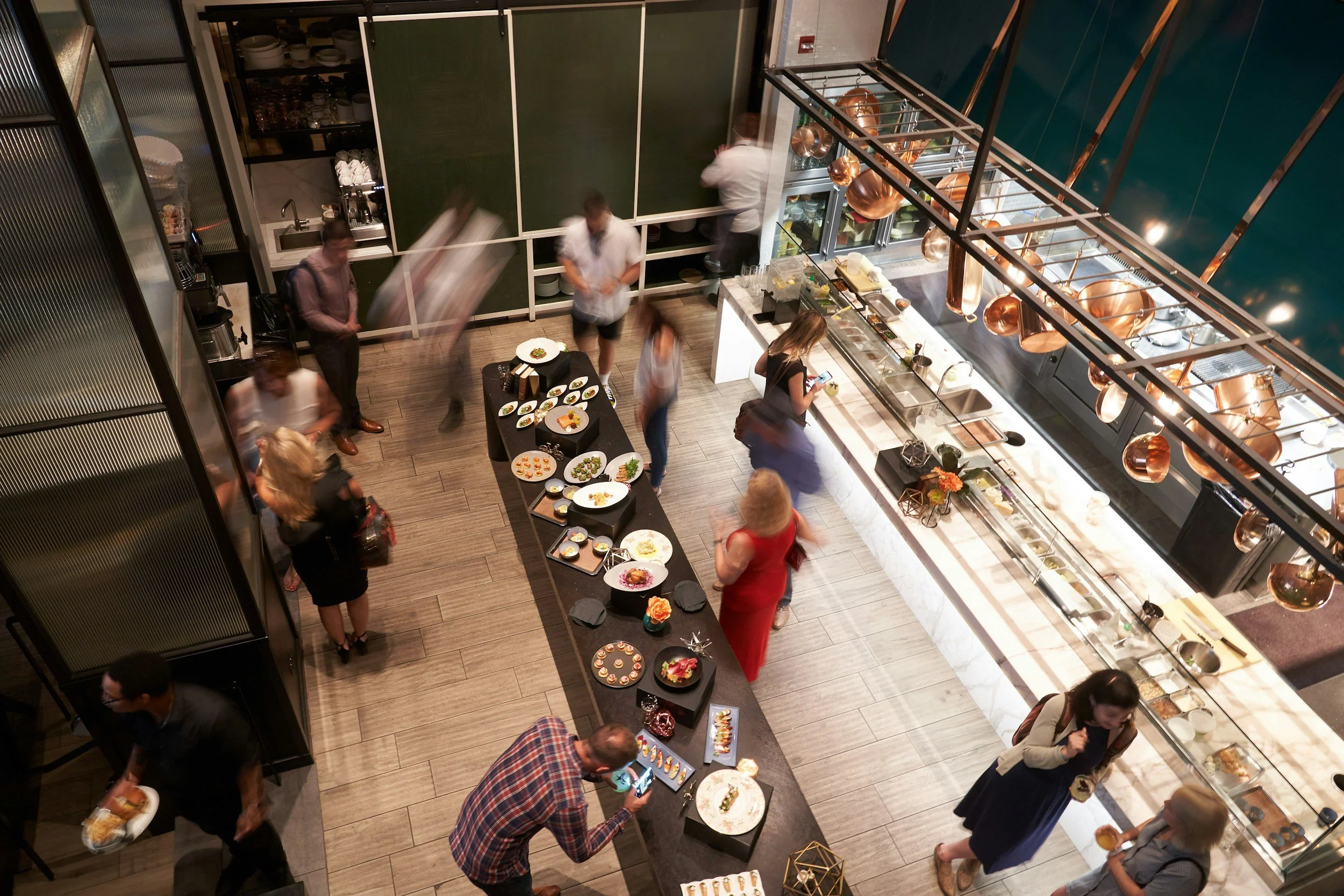
Stop Trying to Be a Hero. Start Building a System.
There is a certain type of restaurant owner I meet all the time. They are the hardest worker in the building.
They arrive at 8:00 AM to unlock the doors. They are in the back fixing the leaky sink at 10:00 AM. They are running food during the lunch rush because a server called out. And at midnight, they are the ones counting the drawer and locking up.
They wear their exhaustion like a badge of honor. They tell me, "Dave, this place falls apart if I'm not here."
They think they are being heroes. But I have to tell them the hard truth: If your business cannot run without you, you don't own a business—you own a job. And it’s a job with terrible hours and no vacation time.
Reliance on "heroes" is the biggest risk factor for a restaurant. If your Head Chef is the only one who knows the sauce recipe, what happens when he quits? If you are the only one who knows how to fix the POS system, what happens when you get sick?
You need to stop putting out fires and start fireproofing the building. You need a System.
The Mise en Place of Management
In culinary school, the first thing we learn is mise en place—"everything in its place." Before we cook a single thing, our station is set up. The salt is here, the towels are there, the knives are sharp. We do this so that when the heat turns up, we don't have to think; we just execute.
Most restaurant owners run their management style without mise en place. They run on instinct. They wing it.
To rescue your sanity, you need to take everything that is in your head and put it on paper.
1. If It Isn't Written Down, It Doesn't Exist
You might think your staff knows how to close the restaurant. But unless there is a checklist, "clean the fryer" means one thing to you and something very different to a 19-year-old line cook.
You need Opening and Closing Checklists for every single position. Not a vague list, but a detailed one.
Bad: "Clean the bathroom."
Good: "Wipe mirror, scrub toilet, refill soap, empty trash, mop floor."
When staff have to sign their name next to a task, accountability goes up immediately.
2. Create the Book of Truth (SOPs)
Standard Operating Procedures (SOPs) sound boring. They sound like corporate talk. But do you know why corporate chains succeed? Because the burger tastes the same in Chicago as it does in Miami.
In your kitchen, you need a "Book of Truth."
Take a photo of every dish on your menu exactly how it should look.
Print it out and laminate it.
Tape it to the wall above the pass.
Now, there is no debate. It doesn't matter if "Chef Bob" or "Sous Chef Steve" is working. If the plate doesn't look like the photo, it doesn't leave the kitchen. You have just replaced a personality with a standard.
3. Empower Your Staff to Fix Problems
The "Hero Owner" is usually a bottleneck. A customer complains about a cold steak, and the server freezes. They have to run to find you. You have to stop what you’re doing, walk to the table, and apologize.
This is a waste of your time.
Build a system where your staff is empowered to solve problems up to a certain dollar amount without asking you. Teach them: "If a guest is unhappy, you have permission to comp a dessert or re-fire the meal immediately."
Train them to handle the smoke so you don't have to fight the fire.
Freedom is Boring
When you implement systems, something strange happens. The drama disappears. There are fewer emergencies. The frantic text messages stop.
It might feel a little boring at first. But that boredom is actually freedom. It’s the freedom to take a day off, or to spend your time growing the business instead of just surviving the shift.
Is your business running you, instead of you running it? If you are tired of being the hero, let’s build a system that works. At Dave’s Cuisines, we bring operational discipline to chaotic kitchens, turning them into well-oiled machines.
Next up in the Restaurant Rescue series: We tackle the cash flow trap—why "bulk buying" to save pennies is actually costing you thousands.
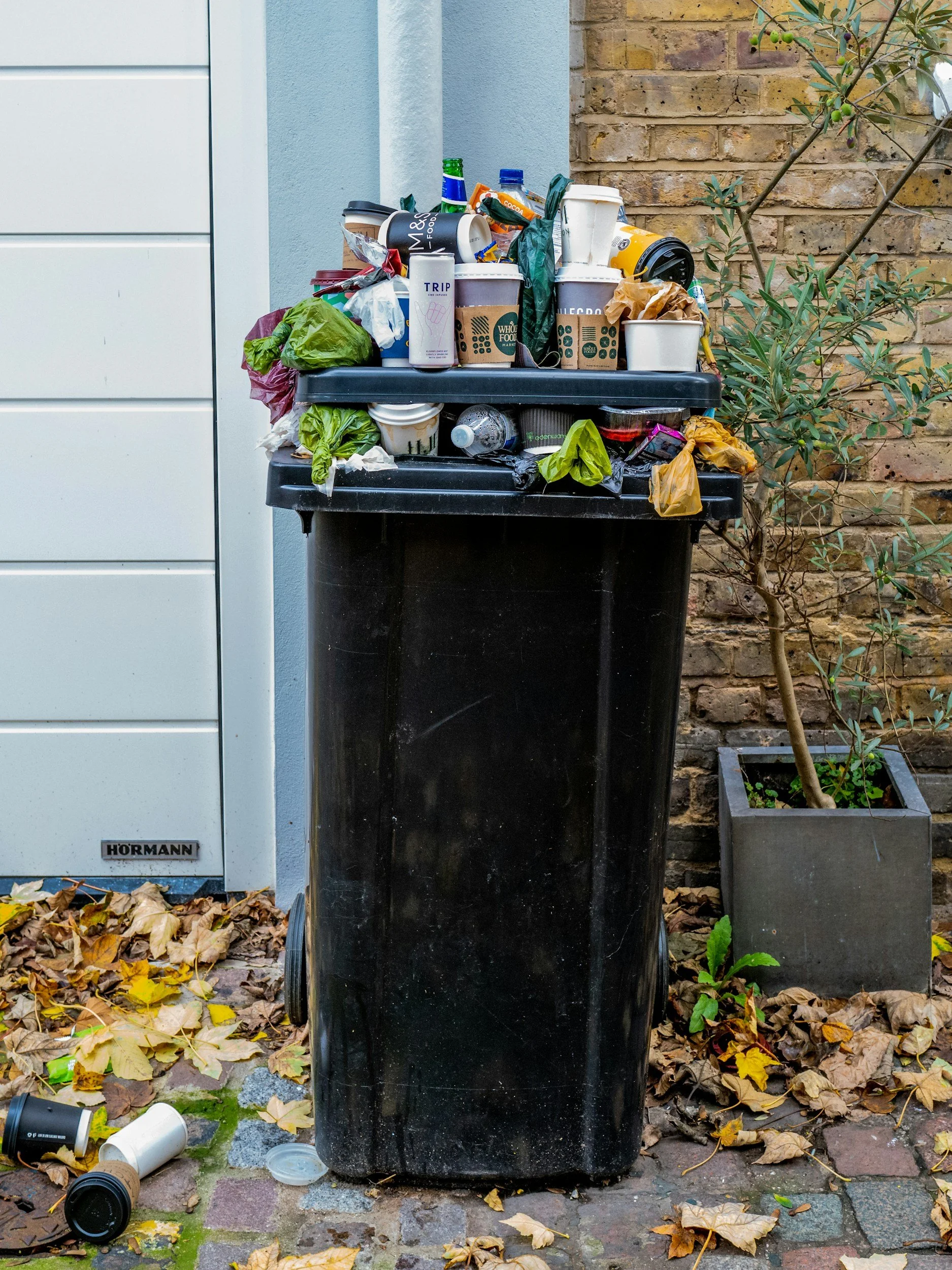
The Most Expensive Item in Your Kitchen is the Garbage Can
I’ve sat down with dozens of restaurant owners who all tell me the same story.
They look exhausted. They tell me, "Dave, the dining room is full. The kitchen is slammed. We are doing record sales numbers. But when I look at the bank account at the end of the month, there’s nothing there."
They usually think the problem is theft, or taxes, or that they need to raise prices. But nine times out of ten, I walk into their kitchen, walk straight to the prep station, and point at the trash can.
"There is your profit," I tell them. "You’re throwing it away."
In this industry, we survive on pennies. A restaurant profit margin is razor-thin—usually between 5% and 10% if you're good. That means for every dollar of food you waste, you have to sell ten dollars worth of food just to break even on that mistake.
Here is how to stop the bleeding.
The Myth of Yield
The biggest mistake non-chef owners make is looking at the invoice price, not the usable price.
Let’s say you buy a whole beef tenderloin for $15 a pound. That sounds like a great deal. But you can’t serve the fat, the silver skin, or the chain. By the time your prep cook cleans it up, you might have lost 30% of that weight.
If your cook is rushed, untrained, or just careless, maybe they cut off too much meat with the fat. Now you’ve lost 40%. Suddenly, that meat doesn't cost you $15 a pound; it costs you $25 a pound. If your menu price is based on the $15 cost, you are losing money on every single steak you sell.
The Fix: We do "Yield Tests." We weigh the product when it comes in, and we weigh the usable meat after it’s cut. We train the staff on proper butchery so they treat that product like gold—because it is.
Portion Control is Not Being Cheap
I often hear owners say, "I don't want my chefs using scales or measuring cups. It looks cheap. It looks like a cafeteria."
That is ego talking, and it’s an expensive conversation.
Consistency is the hallmark of a professional kitchen. If a customer orders the pasta today, and it’s huge, but they come back next week and it’s smaller (because a different cook was working), they feel cheated.
But let’s look at the math. If your line cook "eyeballs" the shredded cheese and adds just one extra ounce to every burger, and you sell 100 burgers a day, you are giving away over 2,000 pounds of cheese a year. That is thousands of dollars vanishing into thin air.
The Fix: Ladles, scoops, and scales. Every station needs them. It’s not about being stingy; it’s about ensuring that the customer gets exactly what they paid for, and you keep the margin you calculated.
The Clear Bin Test
If you want a wake-up call, try this tomorrow.
Go to your local supply store and buy clear heavy-duty trash bags. Replace all the black bags in the kitchen with clear ones.
For one week, do not let the staff take the trash to the dumpster until a manager (or you) has looked at it. You will be shocked at what you find. You will see half-chopped onions, silverware that got scraped off the plate, and perfectly good trim that could have been used for soup stock.
When staff knows the boss can see what they are throwing away, their habits change overnight.
Trust, But Verify
Finally, look at your back door. Are you weighing your deliveries?
Drivers are human. Sometimes they drop a case. Sometimes the invoice says 50lbs of potatoes, but the box only weighs 45lbs. If you just sign the clipboard without checking, you are paying for air.
In the old school, we had a saying: "You make your money in the dining room, but you save it in the kitchen."
Stop feeding the garbage can. If you feel like your food costs are spiraling, it might be time for an audit. At Dave’s Cuisines, we help you tighten the screws on your operation so the money stays where it belongs: in your pocket.
Next up in the Restaurant Rescue series: Why you need to stop trying to be a Hero and start building a System.
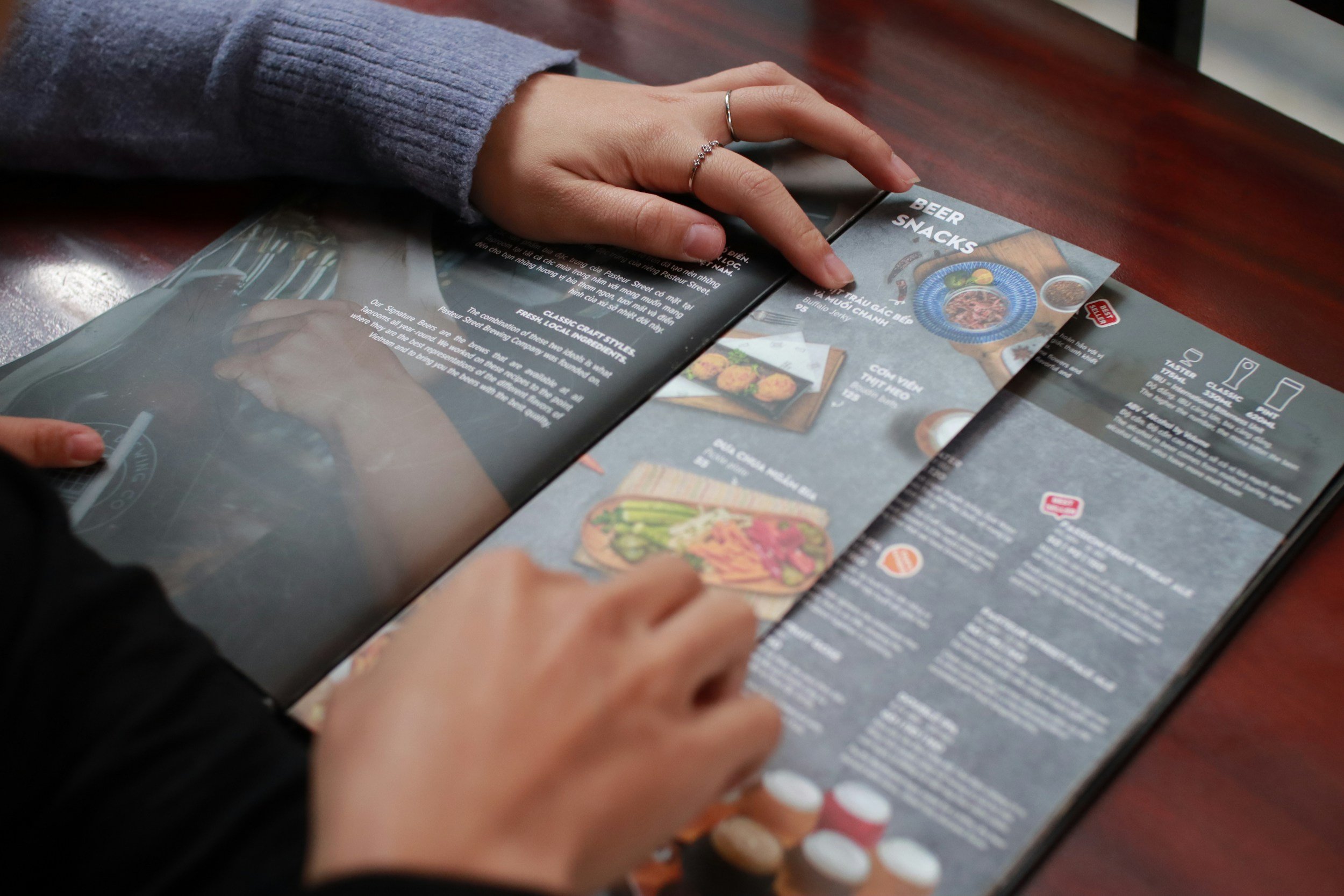
The Cheesecake Factory Fallacy: Why Your 10-Page Menu is Killing Your Profit Margins
In this business, there is a temptation that catches even the smartest owners. I call it the "Cheesecake Factory Fallacy."
It goes like this: You’re worried about losing a customer. You think, "If I don't offer a burger, the burger guy won't come. If I don't have Pad Thai, the noodle lover walks out. If I don't have Tacos, I lose the lunch crowd."
Before you know it, you have a ten-page menu that looks like a spiral-bound novel.
Now, the Cheesecake Factory can pull this off because they have a massive corporate infrastructure, centralized commissaries, and an army of staff. But for the independent operator? A giant menu isn't an asset. It is an anchor dragging your business straight to the bottom.
Here is some old-school kitchen logic on why doing less will actually help you make more.
The Hidden Cost of Options
When I walk into a struggling restaurant as a consultant, the first thing I ask for is the menu. If it takes me five minutes to read it, I know exactly what the kitchen looks like without stepping foot in it: Chaotic.
Every single item on your menu represents a commitment. It requires:
Prep time: Someone has to chop, marinate, or portion that item.
Storage space: It takes up precious real estate in your walk-in cooler.
Training: Your line cooks need to memorize how to cook it perfectly.
When you have 50 items, you have 50 chances for your staff to make a mistake. You also end up with what we call "Dead Stock"—ingredients you bought for that one obscure dish that only sells twice a week. That food spoils, you throw it out, and you might as well be throwing twenty-dollar bills in the dumpster.
The Paradox of Choice
Put yourself in the customer’s shoes. They come to your place to relax, not to work. When you hand them a giant menu, they get overwhelmed. Psychology tells us that when people are faced with too many choices, they freeze up.
Usually, they end up ordering the simplest thing they recognize (like a burger) because they are afraid of making a "bad" choice. So, you did all that work stocking ingredients for the Lobster Risotto, and they ordered a BLT.
The Rescue Strategy: How to Trim the Fat
If you want to rescue your margins, you need to prune the tree. Here is how we tackle this:
1. The "Star vs. Dog" Audit Pull your sales report for the last 90 days. We are going to categorize every dish into two buckets:
Stars: High Popularity, High Profit. (Keep these. Do not touch them.)
Dogs: Low Popularity, Low Profit. (Kill these immediately. No mercy.)
The tricky ones: High Popularity but Low Profit? You need to raise the price or shrink the portion. High Profit but Low Popularity? Rename it or re-market it.
2. Cross-Utilization is King In a professional kitchen, we never buy an ingredient for just one dish. If you are buying Braised Short Ribs, that meat needs to work for a living. It should be the star of a Dinner Entrée, a topping for a Lunch Sandwich, and a filling for an Appetizer spring roll. If an ingredient only appears once on your menu, it needs to go.
3. The Rule of Seven There is an old rule that the human brain handles lists best in groups of seven. Try to limit your sections (Appetizers, Mains, Desserts) to seven items or fewer. It forces you to only pick your absolute best dishes.
The Bottom Line
You cannot be everything to everyone. The best restaurants in the world are known for doing a few things better than anyone else.
When you shrink your menu, your ticket times get faster, your food waste drops, and your staff is less stressed. But most importantly, the quality of the food goes up. I would rather serve 10 amazing dishes that keep people coming back, than 50 mediocre ones that leave them shrugging their shoulders.
Is your menu out of control? If you’re staring at your inventory and wondering where the cash went, let’s talk. At Dave’s Cuisines, we don’t just cook; we engineer menus that work for the business owner.
Next up in the Restaurant Rescue series, we’re going to talk about the most expensive item in your kitchen (Spoiler: It’s the garbage can).